
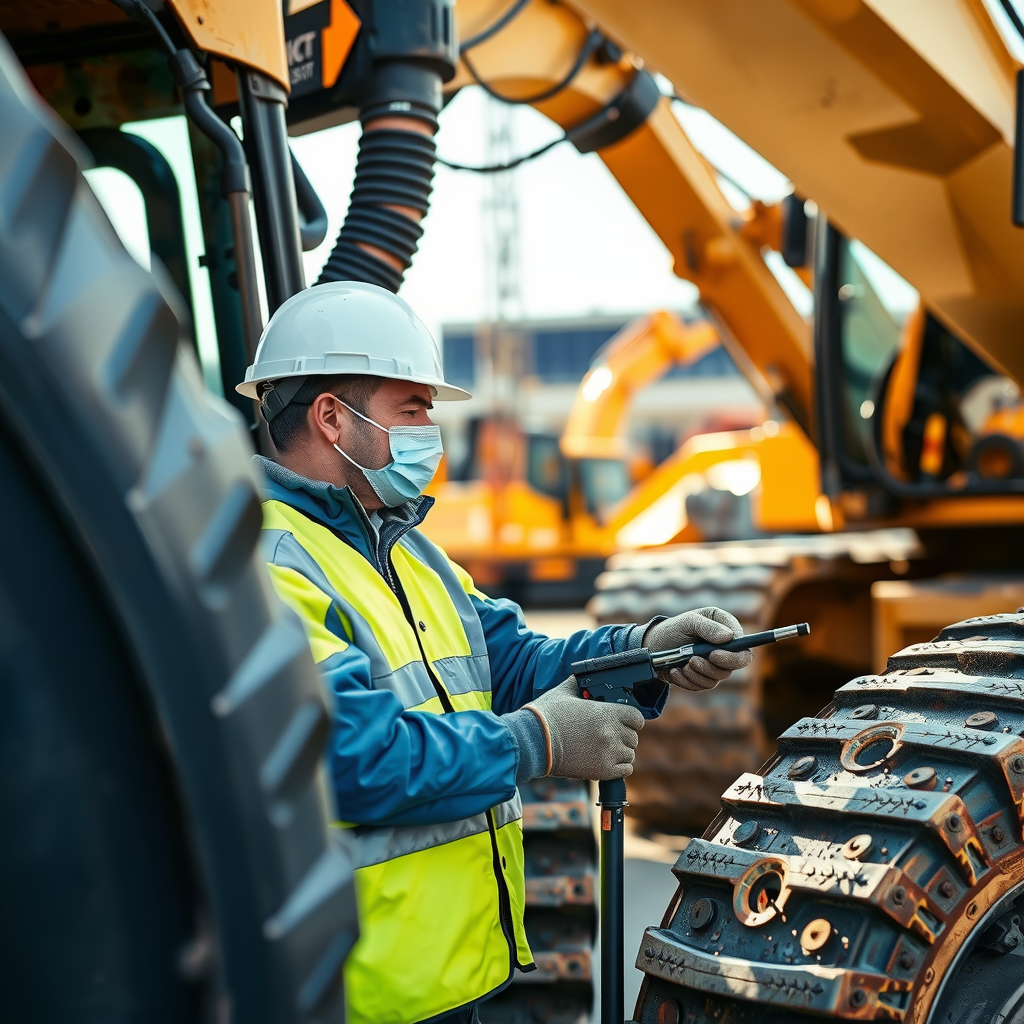
When it comes to the construction industry, reliable plant & machinery is essential for ensuring projects run smoothly and efficiently. From excavators to bulldozers, having the right equipment can significantly impact productivity and costs. At SJ Hall Plant, we specialize in providing top-quality plant & machinery for both sale and rental. Our extensive range of equipment is designed to meet diverse project needs. Discover more about our offerings by visiting www.sjhallplant.com.
In the competitive world of construction, the efficiency and reliability of plant machinery play a pivotal role in the success of projects. Regular maintenance of plant and machinery is essential to ensure that equipment remains in optimal condition, reduces downtime, and extends the lifespan of valuable assets. This article delves into the importance of regular maintenance for plant equipment, highlighting the benefits and best practices to maintain machinery and plant effectively.
Preventing Unexpected Breakdowns
One of the foremost reasons for implementing a regular maintenance schedule is to prevent unexpected breakdowns. Machinery failures can halt operations, leading to costly delays and impacting project timelines. By conducting routine inspections and maintenance, potential issues can be identified before they escalate into significant problems. A proactive approach not only mitigates the risk of equipment failure but also fosters a safer working environment.
Extending Equipment Lifespan
Proper maintenance significantly extends the lifespan of plant machinery. Regular servicing ensures that components such as hydraulics, engines, and drive systems function optimally. For owners and operators of plant and equipment, this translates to enhanced reliability and reduced operational costs over time. In the realm of used plant sales in the UK, well-maintained machinery can demonstrate superior performance and potentially command higher resale values. This emphasises the importance of taking care of your plant assets.
Enhancing Efficiency and Performance
Efficiency is critical in the construction industry, where time equates to money. Well-maintained machinery and plant not only operate more efficiently but can also improve fuel consumption and overall productivity. Regular maintenance checks can identify performance issues, such as fuel leaks or carbon build-up, that hinder operational efficiency. This allows companies to maximise the benefits of their plant and machinery investments.
Safety Compliance and Regulations
The construction industry is governed by strict health and safety regulations. Machinery that is not adequately maintained poses a safety risk to operators and site workers. Regular maintenance routines help ensure that all equipment complies with safety standards, protecting the well-being of individuals on-site. In the context of plant machinery sales in the UK, potential buyers are more likely to invest in equipment that has been meticulously maintained and certified safe, underscoring the link between maintenance and compliance.
Reducing Repair Costs
It is often said that an ounce of prevention is worth a pound of cure, and this adage rings particularly true for plant and machinery maintenance. Regular servicing can save significant amounts on repair costs over time. Small issues, if left unchecked, can lead to complicated and costly repairs. Timely interventions during routine maintenance check-ups can prevent these minor problems from escalating, ultimately leading to lower operational costs and improved cash flow management.
Building Equipment Reliability
In any construction project, reliability is of utmost importance. A fleet of well-maintained plant machinery is more likely to perform consistently under various operating conditions. This reliability is crucial not only for the dependability of machinery and plant but also for maintaining client trust and satisfaction. When contractors demonstrate a commitment to using reliably maintained equipment, it fosters stronger relationships with clients, translating into repeat business and referrals.
Implementing a Maintenance Schedule
An effective maintenance schedule should be tailored to the specific needs of different pieces of plant equipment. Factors such as usage frequency, operating conditions, and type of machinery can affect maintenance requirements. Operators should adhere to the manufacturer’s guidelines while also considering their own experience and observations. Keeping meticulous records of inspections, repairs, and maintenance activities ensures that equipment is always maintained to a high standard.
Leveraging Technology
With advancements in technology, the approach to maintenance in the plant and machinery sector has evolved significantly. The integration of telematics and machine monitoring systems has enabled operators to track performance metrics and maintenance needs in real-time. These technologies can provide timely alerts for scheduled maintenance and potential issues, facilitating an efficient approach to managing plant equipment and ensuring peak performance.
Second-Hand Plant and Machinery Considerations
For companies interested in second-hand plant and machinery for sale, understanding the past maintenance history of equipment is crucial. A machine’s performance is often directly linked to how well it has been maintained throughout its lifecycle. When considering purchases, potential buyers should conduct thorough inspections and request maintenance records to verify the equipment’s condition and the care it has received. This diligence can save significant time and money in the long run.
Conclusion
In summary, regular maintenance of plant and machinery is an indispensable aspect of successful construction operations. From preventing unexpected breakdowns and enhancing efficiency to ensuring safety compliance and reducing repair costs, the benefits are numerous. Implementing a well-structured maintenance schedule and leveraging modern technologies can ensure optimal performance, extending the lifespan of critical equipment within your fleet. Whether you’re interested in investing in new or second-hand plant and equipment, prioritising maintenance will yield considerable dividends for your business in both the short and long term.