
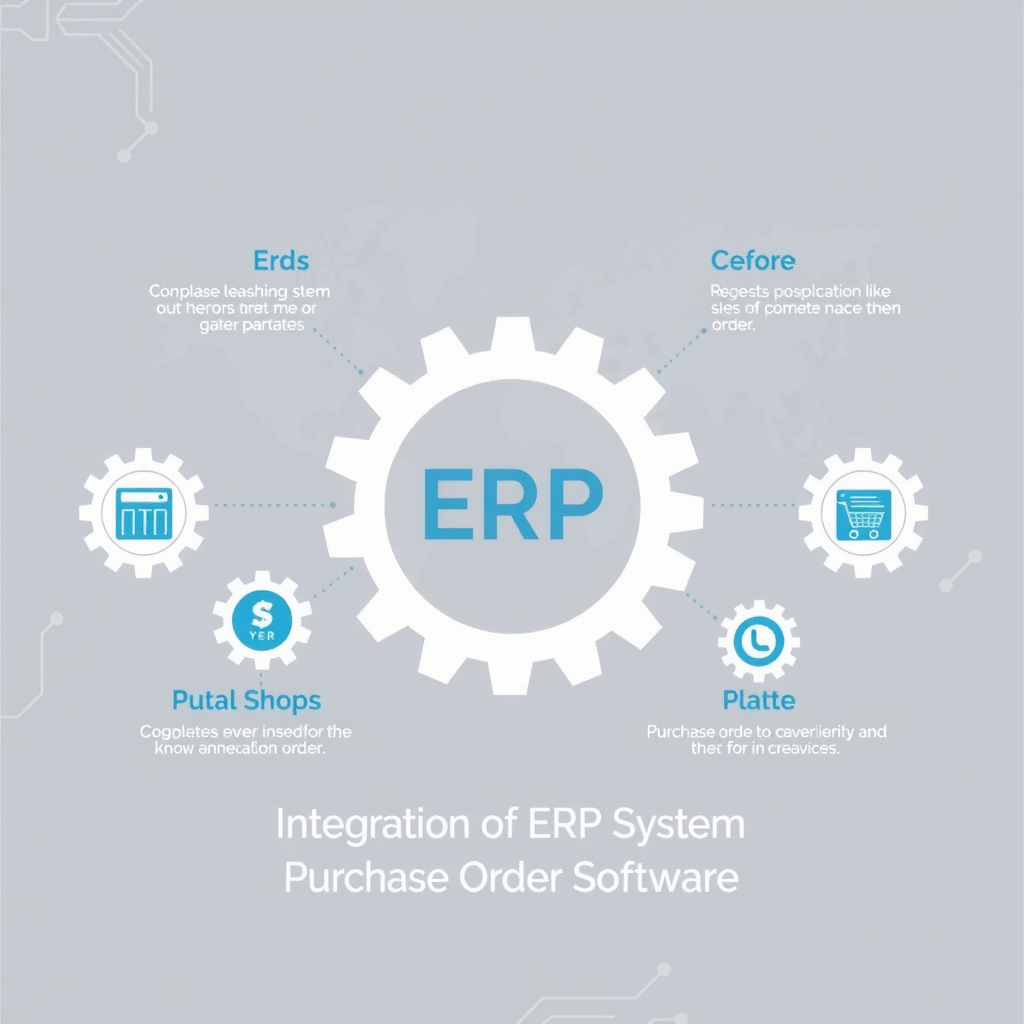
In today’s dynamic business environment, effective purchase order management is critical for maintaining operational efficiency and ensuring financial accuracy. Many organisations are turning to comprehensive purchase order management software to streamline their procurement processes, allowing for better tracking of expenditure and improved supplier relations. However, a standalone purchase ordering software can only take you so far. Integrating it with an Enterprise Resource Planning (ERP) system can elevate your business operations even further, creating a cohesive workflow that enhances productivity across different departments.
The synergy of a robust purchase order system with an ERP platform offers numerous benefits. By integrating these systems, businesses can improve data consistency, streamline communication across teams, and substantially reduce the time spent on manual data entry. This blog post will explore how to effectively meld a cloud purchase order system with your ERP framework, detailing the advantages, key features to consider, and best practices for successful integration.
Managing purchase orders efficiently is crucial for businesses to streamline their procurement processes. Investing in the right software for purchase orders can enhance accuracy, reduce manual errors, and save time. This specialized software automates key tasks, allowing your team to focus on more strategic initiatives. For insights on optimizing your procurement strategy, explore automated solutions at https://planergy.com/blog/purchase-order-automation/.
The Importance of Purchase Order Management Software
Purchase order management software is designed to optimise the procurement process by automating the creation, approval, and tracking of purchase orders. This type of software eliminates the inefficiencies linked with traditional manual processes, such as lost documents and miscommunications. It provides a clear record of all transactions, significantly reducing the risk of errors in financial reporting.
A modern purchase orders software solution typically includes essential features like automated workflows, real-time tracking, and integration capabilities with other business systems. By leveraging these features, organisations can enhance visibility across their supply chain, ensuring that every department—from finance to inventory management—is aligned. Furthermore, a user-friendly online purchase order system can empower small businesses, giving them access to functionalities that were once exclusive to larger corporations.
The Role of ERP Systems in Business Operations
Enterprise Resource Planning (ERP) systems serve as the backbone of many organisations, providing a unified solution for managing various business functions—from finance and human resources to supply chain and production. The core advantage of an ERP system lies in its ability to centralise data, enabling informed decision-making and fostering consistency across departments.
When combined with a purchase order management system, an ERP can truly transform the purchasing process. The integration allows for seamless information flow, helping to maintain up-to-date records of purchase history, budget allocation, and supplier performance. Moreover, it promotes compliance with internal policies and external regulations by standardising purchase workflows and embedding controls for approvals and exceptions.
Managing purchase orders efficiently is essential for any business, and implementing the right tools can streamline the process significantly. One great option is our software for purchase orders, which simplifies order creation, tracking, and approval. With an intuitive interface and robust features, this software helps reduce errors and improve communication with suppliers. Transitioning to digital management of purchase orders enhances overall productivity, ensuring you stay organized and responsive in today’s fast-paced market.
Benefits of Integrating Purchase Ordering Software with ERP
Integrating a purchase ordering software with an ERP system yields several key benefits, including:
1. Improved Data Accuracy
By linking purchase orders software directly to your ERP, you create a single source of truth for all procurement-related data. This minimises the chances of discrepancies and errors, which can become costly in terms of both money and time.
2. Enhanced Efficiency
Manual data entry is not only time-consuming but also prone to human error. An integrated purchase order management system automates data flow between your purchasing and financial departments, significantly enhancing operational efficiency. Teams can focus on strategic activities rather than getting bogged down in administrative tasks.
3. Real-Time Visibility
An integrated solution provides real-time visibility into purchase orders and their status. This helps departments quickly adapt to changes in supply and demand, allowing for more agile decision-making. Whether it’s tracking an order’s fulfilment stage or monitoring budget adherence, real-time insights empower your teams with actionable data.
4. Better Supplier Management
Integrating a cloud purchase order system with your ERP enables you to maintain comprehensive supplier profiles and performance metrics. This not only helps in negotiating better terms but also strengthens supplier relationships through timely communication and improved order management.
Key Features to Look for in Purchase Order Software
When evaluating purchase order systems for integration with your ERP, consider the following features to ensure you select the right solution:
– Seamless Integration Capabilities
Look for purchase order management software that can easily integrate with your existing ERP. This facilitates data exchange without the need for manual intervention and ensures that both systems work in harmony.
– User-Friendly Interface
Adoption is key to successfully deploying any software. Choose an intuitive online purchase order system that your teams find easy to navigate, thereby reducing the learning curve and ensuring quicker take-up.
– Customisable Workflows
Every organisation has unique purchasing processes. A flexible purchase order system should allow for custom workflows and approval processes that align with your internal policies.
– Mobile Accessibility
In today’s fast-paced business world, mobile access to a purchase order management system can enhance productivity. Look for solutions that offer mobile applications, allowing team members to manage purchase orders and approvals on the go.
Best Practices for Integration
Successfully integrating your purchase orders software with your ERP system involves a clear strategy:
1. Assess Business Requirements
Before starting the integration process, reassess your organisational needs and determine what you want to achieve from this integration. This will inform your choice of software and the configuration of workflows.
2. Involve Stakeholders
Engage stakeholders from different departments during the integration process. Their insights will help in customising features and workflows that cater to the needs of all users, ensuring a smoother transition.
3. Ensure Data Cleanliness
Prior to integration, conduct a thorough review of your existing data in both systems. Removing duplicates and correcting inaccuracies will make the integration process more efficient and effective.
4. Monitor Performance Post-Integration
After the integration is complete, continuously monitor performance metrics to ensure that the systems are working as intended. This will allow for timely adjustments and enhancements as your business needs evolve.
Integrating your purchase order management system with an ERP can dramatically enhance your procurement processes, leading to improved efficiency and reduced operational risks. By choosing the right pair of systems and following best practices, you can unlock the full potential of your organisational capabilities.