
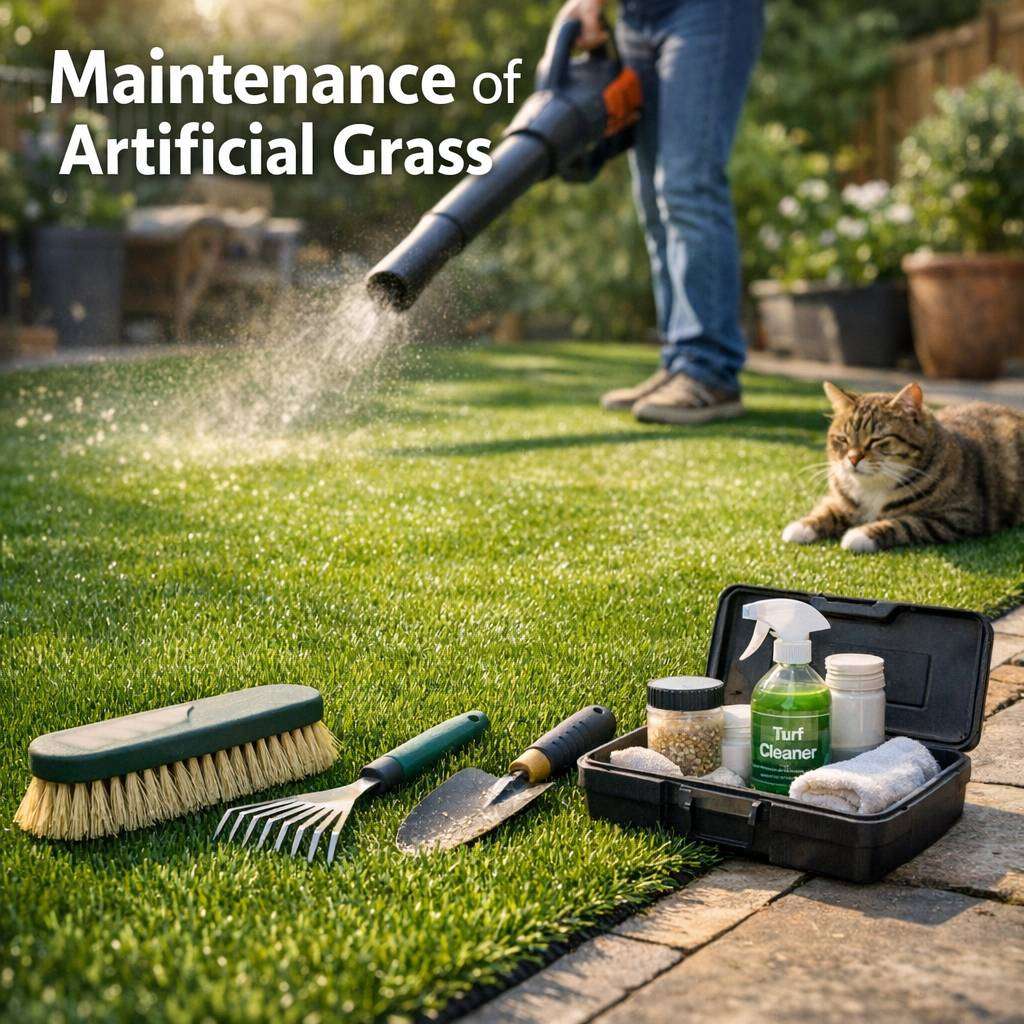
Artificial grass has become a reliable and aesthetically pleasing option for homes and businesses alike. Proper maintenance ensures the turf remains lush, safe, and visually appealing for years. This guide, written by an expert in the field, covers essential practices, common pitfalls, and practical strategies to extend the life of your artificial grass. Whether you are searching for an artificial grass maintenance near me, considering an artificial grass maintenance service, or evaluating an artificial grass maintenance package, the following advice will help you maintain artificial grass with confidence.
Understanding the basics of maintenance of artificial grass
At its core, maintaining artificial grass involves regular cleaning, downtime protection, and periodic checks on the infill, pile fibre integrity, and edging. A well-considered maintenance plan reduces odours, deters pests, and prevents uneven wear. The aim is to replicate the look and feel of natural turf while avoiding water waste and heavy labour. By understanding the lifecycle of the product and the installed system, you can tailor a schedule that fits your climate, usage, and exposure to shade and sun.
Maintenance of artificial grass requires regular brushing, debris removal, and periodic cleaning to preserve aesthetics and longevity. For expert guidance and detailed care steps, visit the following resource in the second half: https://sgwflorida.com/resources/maintenance-care/
Routine cleaning and debris management
Regular removal of debris is essential for maintaining artificial grass. Leaves, twigs, pet waste, and litter can accumulate, impacting drainage and hygiene. A leaf blower or a soft broom is typically sufficient for surface debris, while stubborn material may require a stiff brush to lift fibres upright. For residential lawns with pets, promptly cleaning up solids and washing with a mild detergent solution can help control odours and bacteria. In commercial installations, more frequent cleaning may be necessary due to higher footfall and potential litter.
Hairline maintenance and pet considerations
Pet owners should pay attention to odour control and cleanliness. Rinse areas where pets commonly relieve themselves and consider enzymatic cleaners designed for artificial turf when odours persist. Periodic brushing helps maintain yarn alignment and prevents matting in high-traffic zones. If you notice uneven colour or flattening, it may indicate insufficient cushioning or infill distribution, which should be addressed promptly as part of your maintenance of artificial grass.
Infill, drainage, and soil interaction
Infill materials—such as silica sand or rubber—play a critical role in stability, cushioning, and drainage. Over time, infill can migrate or compact. Regular checks ensure the surface height remains even and appropriate for your site. A maintenance package may include topping up or redistributing infill to restore performance. Proper drainage is essential to prevent puddling after rain; check drainage channels and edges for blockages and clear them as needed. Where drainage issues persist, consult an artificial grass maintenance service to assess underlayment and slope.
Brushing and pile maintenance for longevity
Brushing the artificial grass keeps fibres upright, enhances aesthetics, and distributes infill evenly. Use a nylon or soft-bristle brush and brush against the grain on a routine basis, increasing frequency in high-traffic areas or after heavy rain. This is particularly important for longer-pile products and performance sports surfaces. Consider scheduling a professional maintenance visit to inspect fibre integrity and alignment, especially if the turf shows signs of fraying or thinning.
Seasonal and environmental considerations
Seasonal changes influence maintenance needs. In autumn, frequent clearing of fallen leaves reduces staining and drainage issues. Winter conditions may require extra checks for standing water or frost accumulation, while spring and summer demand more diligence around heat exposure and UV degradation. A proactive approach, possibly supported by an artificial grass maintenance package, helps address climate-specific concerns and extends turf life.
FAQ: Maintenance of Artificial Grass
How often should I brush artificial grass?
Regular brushing helps keep the pile upright and prevents flattening. Brush high-traffic areas at least once a week and after heavy rain or strong winds. Use a stiff-bristle broom or a dedicated artificial grass rake, brushing against the grain.
Can I mow artificial grass?
No, you should not mow artificial grass. Use a plastic rake or broom to lift blades and maintain an even appearance. If you have a short pile, you may occasionally trim any loose edges with scissors, but generally mowing is not required.
What cleaning methods are recommended for routine maintenance?
- Remove debris with a leaf blower, garden vacuum, or rake.
- Rinse with water to remove dust and pollen.
- For light soiling, use a mild detergent diluted in water and scrub softly, then rinse thoroughly.
How do I remove stains from artificial grass?
- Organic stains (food, drinks): rinse with water and mild detergent; blot, not scrub aggressively.
- Urine or pet odours: rinse with water; for persistent odours, use a turf deodouriser designed for artificial grass.
- Grease or oil: use a degreaser suitable for artificial turf, follow product instructions, and rinse well.
What should I do about pet waste?
Promptly remove solid waste and rinse the area. For odours, use a turf-safe enzymatic cleaner or mild detergent and rinse. Ensure the grass has proper drainage and avoid over-wetting.
How do I prevent mold and odours in damp weather?
Ensure good drainage, avoid excessive irrigation, and regularly remove debris. Brush and rinse periodically, and treat any noticeable odour with a turf-safe deodouriser. If mold appears, clean with a mild detergent solution and rinse thoroughly.
Is there a specific product for cleaning artificial grass?
Use cleaners labeled for artificial turf. Mild, non-alkaline detergents and specialised turf cleaners are recommended. Avoid bleach, harsh solvents, and high-concentration chemicals that could damage the blades or backing.
Can natural wear and tear be repaired?
Yes. For loose seams or edges, reseal with recommended turf adhesive or contact the installer. For damaged blades, you can often trim or replace sections, but consult a professional for extensive damage.
How often should I have professional maintenance or inspections?
Have a professional inspect the installation every 1–2 years, or after significant weather events. They can check drainage, seams, infill levels, and overall longevity.
Do I need to add or replace infill?
Infill levels help support the blades and aid drainage. Some systems require periodic topping up. Check your installation guide—common signs you need infill include flattened blades, poor bounce, or drainage issues after rain.
How can I protect artificial grass from heat and fire risk?
Keep hot items away from the surface, avoid placing BBQs directly on the turf, and ensure adequate airflow. Some models have sun-safe or heat-resistant backing; follow the manufacturer’s guidance.
What should I do after installation to establish the lawn?
Rinse to remove dust, brush the blades to stand upright, and run the irrigation system (if applicable) to help settle any infill evenly. Perform a light maintenance routine for the first few weeks to establish правиль.
If you’d like, I can tailor these questions to a specific type of artificial grass or your region’s climate.
Cleaning products and approaches to avoid
Use only mild detergents and water for routine cleaning. Avoid bleach, ammonia, solvents, and high-alkaline cleaners, which can degrade fibres and backing. Power washing is generally discouraged or restricted to low-pressure settings, as high pressure can dislodge infill or damage the backing. If your installation requires more intensive cleaning, engage an artificial grass maintenance service with appropriate equipment and product credentials to prevent unintended damage.
Edges, seams, and installation integrity
Regular visual inspections should cover edges, seams, and the overall installation. Loose edges or seam lifting can lead to rapid deterioration and trip hazards. Promptly re-secure seams and repair loose edging to maintain structural integrity. If you notice persistent issues, such as seam separation or backing deterioration, arrange for a qualified technician to evaluate the site. A well-maintained perimeter contributes to a neat appearance and improved drainage.
Maintenance of artificial grass requires regular brushing, debris removal, and periodic cleaning to preserve pile height and drainage. Establish a simple routine: remove leaves, rinse with water, and brush against the grain to avoid matting. For more detailed guidance, refer to expert resources and product-specific recommendations. In the second half, you will find additional tips and official specifications: https://www.smg-gmbh.de/en/turf/maintenance/turfcare-tca1400. Consistency is key for longevity and appearance.
Scheduling and choosing a maintenance plan
A well-structured maintenance of artificial grass plan balances routine cleaning, infill management, brushing, and periodic professional assessments. Many property owners choose an artificial grass maintenance package that aligns with site usage—residential, commercial, or sports-focused. If you are unsure whether you need ongoing support or a one-off service, consult a reputable provider for a detailed assessment and a tailored programme. When seeking services, phrases like artificial grass maintenance near me or artificial grass maintenance service can connect you with qualified local teams, ensuring you receive timely, expert attention.
Maintaining a pristine lawn requires regular care and smart upkeep. For homeowners, understanding the maintenance of artificial grass helps extend its life, preserve appearance, and prevent odor or algae buildup. Effective upkeep includes brushing fibers, removing debris, and rinsing with water after spills. Seasonal tailoring, such as more frequent cleaning in dusty months, keeps turf looking fresh. For detailed guidance, refer to maintenance of artificial grass to ensure optimal performance and longevity.
Keeping records and accountability
Documenting upkeep activities supports value retention and ensures consistency. Maintain a simple log of cleaning dates, brushing frequency, infill top-ups, and any repairs performed. This record helps you predict future maintenance needs, budget more accurately, and demonstrate responsible turf management to tenants, clients, or buyers.
The value of professional input
While many maintenance tasks can be completed in-house, periodic professional inspections help identify issues early and optimise performance. An artificial grass maintenance service can provide objective assessments, address hidden wear patterns, and implement long-term strategies. Whether you require routine upkeep or a comprehensive maintenance package, expert guidance ensures artificial grass remains in prime condition and delivers sustainable value.
If you need targeted support, consider engaging a specialist to review your installation and propose a tailored plan. A reputable provider should offer clear recommendations for maintaining artificial grass, along with transparent pricing for maintenance packages and any required repairs.
Maintenance of artificial grass is essential for longevity and pristine appearance. Regular brushing, rinsing, and seasonal infill checks keep fibers upright and drainage clear. For practical guidance, visit https://www.realhomes.com/features/artificial-grass-not-low-maintenance to understand upkeep nuances and avoid costly issues.