
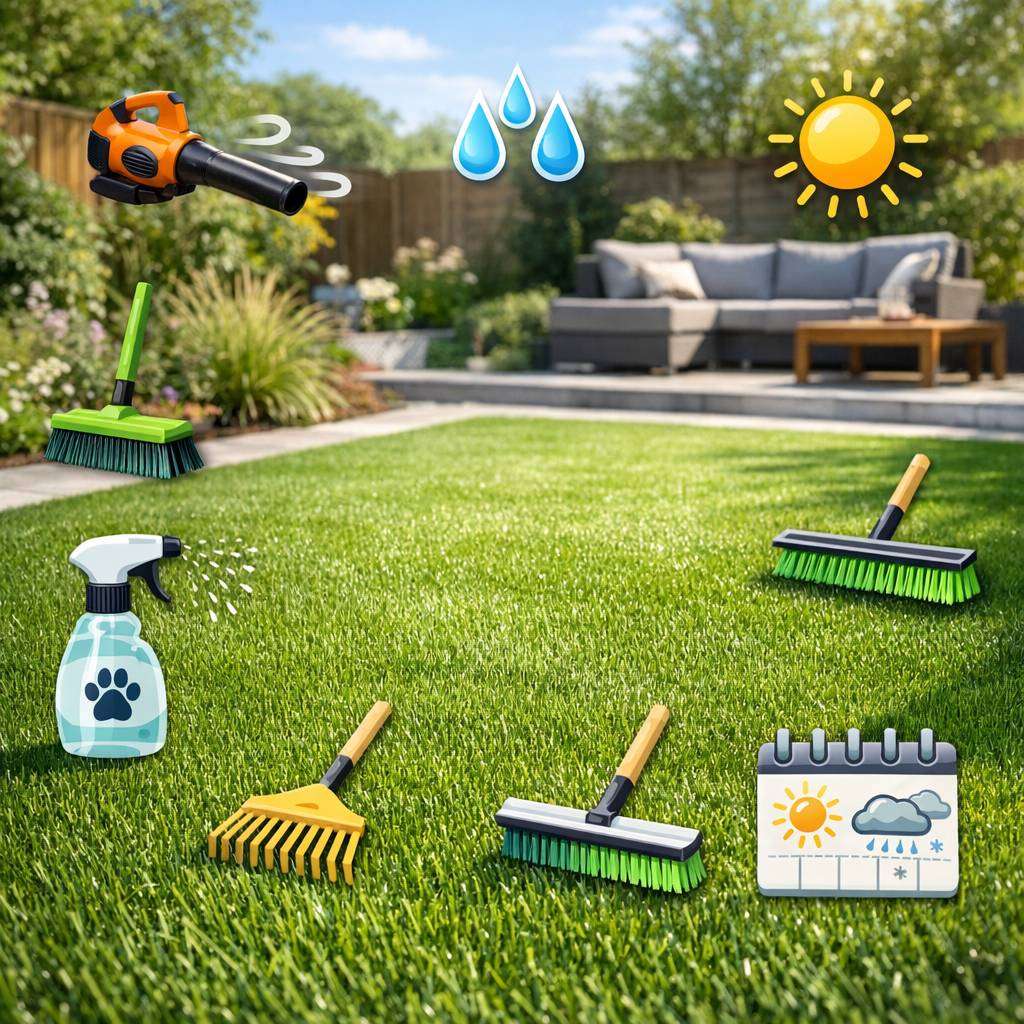
Maintaining artificial grass to a high standard demands a structured approach, expert knowledge, and a proactive routine. As seasonality shifts and footfall varies, a well-planned artificial grass maintenance regime keeps your surface looking pristine, prolongs its lifespan, and preserves safety and drainage. Below are the ten essential steps for effective artificial grass maintenance year-round.
1) Establish a Maintenance Schedule
A clear schedule is the cornerstone of successful artificial grass care. Create a weekly micro-routine for light maintenance and a monthly deep-clean and inspection plan. For larger installations such as artificial pitches, consider a formal artificial pitch maintenance timetable that aligns with league fixtures, user demand, and weather conditions. Consistency reduces the risk of debris accumulation, matting, or uneven wear.
Maintaining a pristine lawn with artificial grass maintenance tips keeps outdoor spaces vibrant year-round. Regular brushing, debris removal, and occasional washing reduce dust and keep fibers upright. Monitor infill levels and address any worn patches promptly to preserve longevity. For expert guidance, visit https://www.artificialgrassmaintenance.co.uk and learn best practices, product recommendations, and maintenance schedules tailored to your synthetic turf. Consistent care ensures a lush, low-effort landscape that stays green.
2) Regular Brushing and Grooming
Brushing prevents matting and keeps the turf fibres upright, ensuring realistic pile height and springy feel underfoot. Use a soft-bristled nylon brush or a powered shrubber with a suitable head to lightly tease fibres in the direction of fibre growth. For heavy usage areas or multi-use spaces, increase frequency to twice weekly during peak periods. Regular brushing also aids infill redistribution, maintaining even support and drainage performance.
3) Debris Removal and Cleaning
Leaves, pine needles, litter, and pet waste can compromise drainage and appearance. Implement a routine to remove debris with a leaf blower or a stiff brush, taking care not to scour the surface. For pet mess, remove solids promptly and rinse with water or a mild detergent if necessary. For areas with high pollution or pollen, consider a light wash to maintain a fresh appearance and minimise staining. In the context of an artificial grass maintenance package, debris management is a core element.
4) Infill Management and Replenishment
Infill levels influence stability, drainage, and cushion. Over time, infill can migrate to the surface or become compacted. Inspect and, if required, rake to redistribute silica sand or rubber crumb infill evenly. Top up to the manufacturer’s recommended depth to maintain safe, even surfaces, particularly on sports surfaces used by players. Regular infill care is a key component of any artificial grass maintenance plan and is often included in a complete maintenance artificial grass service.
5) Weeding and Moss Control
Weeds can take root along edges or where drainage is slower. Use non-caustic weed killer appropriate for synthetic turf or manual removal for small patches. Moss and slimy residues can appear in damp climates; address these with a diluted cleaning solution suitable for artificial grass and ensure thorough rinsing. An ongoing maintenance artificial grass program should include seasonal checks for moss growth and implement pre-emptive control measures.
6) Edge and Corder Inspection
Edges and seam lines are prone to lifting or fraying if not properly secured. Inspect flexible seams, edging, and infill borders quarterly. Re-tension or reseal seams where necessary, and repair any seam damage promptly to prevent water ingress and further delamination. Maintaining the integrity of edges is fundamental to long-term artificial grass maintenance and helps prevent trip hazards.
7) Drainage and Water Shedding Checks
Good drainage is vital for year-round usability. After rainfall, observe surface water flow and identify any pooling or slow-draining zones. If drainage appears compromised, remove surface debris that might obstruct the perforations and verify that the sub-base remains well-drained. For artificial pitches, ensure floodlighting or surrounding features do not impair drainage patterns. Periodic professional evaluation may be warranted for high-use facilities.
8) Cleaning and Sanitising for Hygiene
Regular cleaning reduces odours and maintains hygiene, particularly in domestic gardens and pet-friendly installations. A gentle rinse with water is often sufficient; in shared or public spaces, use a manufacturer-approved sanitiser compatible with artificial grass. Avoid strong solvents or high-alkaline cleaners, as these can degrade fibres over time. A dedicated artificial grass care and maintenance protocol can guide appropriate cleaning cycles and product selections.
9) Protective Measures and Utensil Care
Protect the surface from damage caused by heavy equipment, BBQs, or sharp objects. Use paths and mats to distribute weight, and ensure that sports equipment does not gouge or crease the turf. For maintenance personnel, wear soft-soled footwear and avoid dragging tools directly across the surface. Installing suitable turf protection during renovations or landscaping projects reduces risk and extends the life of the grass.
10) Documentation and Professional Servicing
Maintain a log of maintenance activities, including brushing frequency, infill replenishment, edge repairs, and drainage checks. This track record supports warranty compliance and informs scheduling for future maintenance. For comprehensive coverage, engage a professional maintenance artificial grass service or artificial grass maintenance package that delivers periodic inspections, tailored cleaning regimes, and on-site guidance. If you search for reliable options, phrases such as “artificial grass maintenance near me” can help locate responsive providers for planned upkeep and emergency support.
Tips for selecting a service provider
- Look for a provider offering a transparent maintenance artificial grass programme with clear deliverables and a defined response time.
- Confirm expertise in artificial pitch maintenance if your surface accommodates sports.
- Request a written maintenance plan detailing frequency, products used, and expected results.
- Check for references or case studies demonstrating durability and performance improvements.
By following these steps, you’ll maintain the aesthetic appeal, safety, and functionality of your artificial grass year-round. Whether you’re maintaining a domestic lawn, a school sports field, or a commercial installation, a disciplined approach to artificial grass maintenance, combined with a robust maintenance package, will maximise value and enjoyment.